STYLE GUIDE
What Are Butterfly Layers?
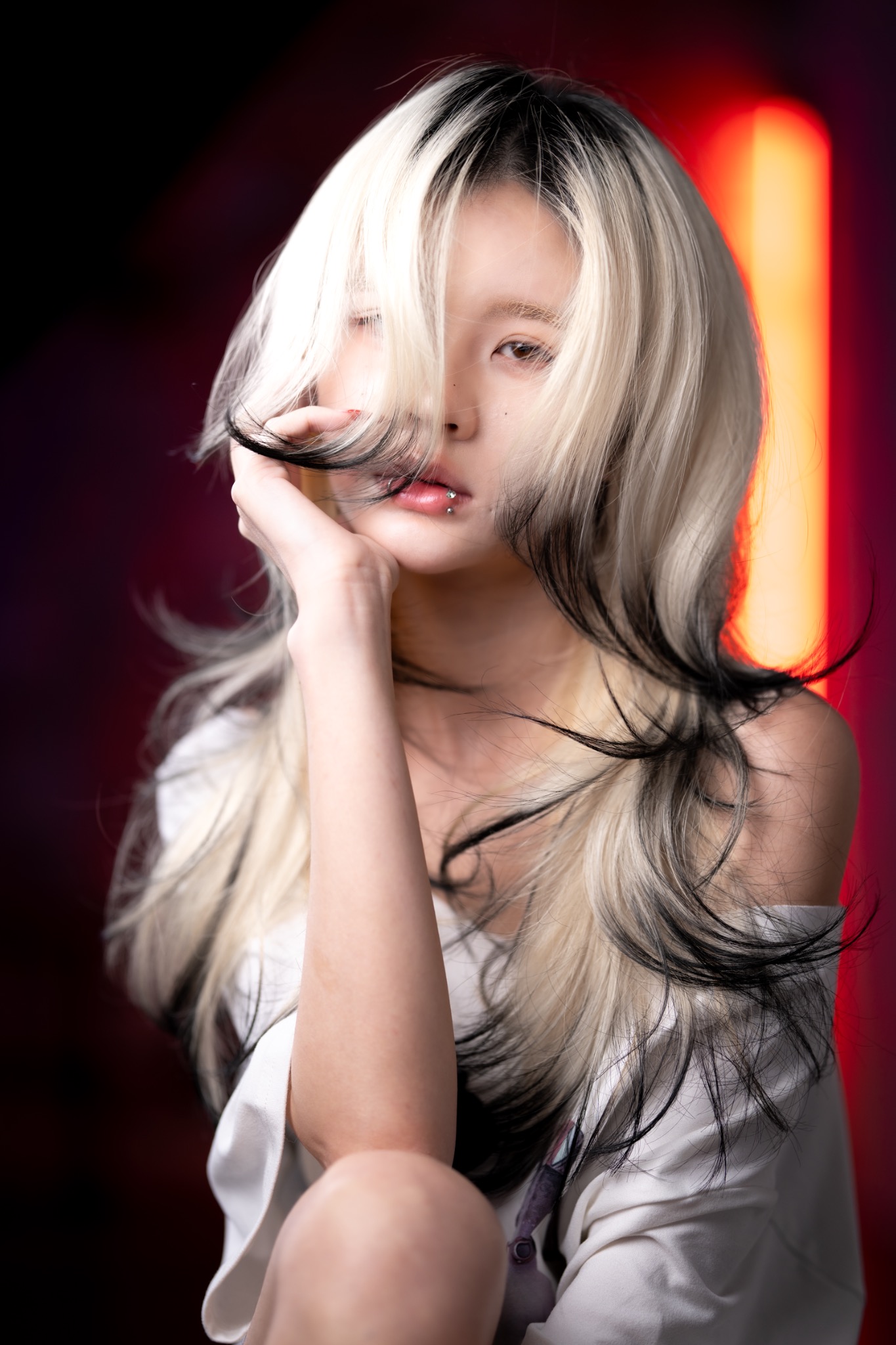
Butterfly layers use shorter face-framing sections that flow into longer layers, creating lift and movement while preserving overall length. The result depends on where the shortest layer begins and how smoothly it connects to the rest of the hair.
Butterfly Layers can be designed in two main directions: an Asian-inspired version and a Western-inspired version. The Asian-inspired Butterfly Layer is lighter, airier, and more highly textured through the ends. The texture is carefully controlled so the hair moves naturally and maintains its shape with minimal styling. The Western-inspired version keeps slightly more weight through the ends, creating a fuller and more glamorous silhouette. Because of this additional weight, it usually requires a strong blow-dry, rollers, and intentional styling to reveal its full shape. Without proper styling, it may appear closer to a conventional layered haircut. At Daisuke Salon, our signature Butterfly Layer is built around one essential principle: every layer must connect seamlessly from the shortest front section to the longest length, without visible gaps. Each section is cut where the hair naturally falls. This allows the layers to remain connected not only after professional styling, but also when the client air-dries or simply blow-dries the hair at home. A Butterfly Layer can look impressive after a polished salon blow-dry, even when the internal structure is imperfect. The true quality of the cut becomes visible once the client styles it independently. Poorly connected front layers often reveal empty spaces or breaks in the silhouette. Our Butterfly Layer is designed to remain continuous, balanced, and fluid in its natural state. Although the style may appear simple, achieving this level of connection requires advanced knowledge of natural fall, layer angles, weight distribution, and precision cutting. It is not simply a layered haircut. It is a fully connected structure, designed to move as one.
Who Do They Suit?
Butterfly layers can be designed in many different ways, so there is no single hair type or face shape they are made for.
The technique has its roots in the classic forward layer, where layers flow from around the face through the length of the hair.
Today, butterfly layers can broadly be divided into two styles:
European Butterfly Layers
The layers are deeper and remove more weight around the face, creating stronger movement and a more dramatic, voluminous finish.
This style works especially well if you like a glamorous European-inspired look, have a slightly smaller face shape, and enjoy styling your hair at home.
Asian Butterfly Layers
The layers are kept longer and softer around the face, while still connecting carefully from the upper layers through the full length.
This creates a softer frame around the face and is easier to wear naturally.
Technically, this version is much more demanding to cut because the balance has to be created while understanding exactly how the hair will fall in its natural position.
Recommended Artists
Frequently Asked Questions
Do butterfly layers remove a lot of length?
They can.
European-style butterfly layers are usually cut deeper, so some of the shorter layers naturally come further up into the length.
A good stylist needs to plan the overall length first and carefully decide how deep the layers should go before cutting.
Asian-style butterfly layers can usually keep more length because the layers are softer and longer.
Do butterfly layers need styling?
It depends on the type of butterfly layers.
European-style butterfly layers usually look their best with styling. Large rollers, a curling iron, or a blow-dry can help create the full, glamorous movement this style is designed for.
Because the layers are deeper, leaving the hair completely unstyled can sometimes make the face-framing sections look less controlled, depending on the hair texture.
Asian-style butterfly layers are generally easier to manage. The layers stay longer and flow more naturally from top to bottom, making them easier to style and easier to wear with minimal effort.